

Denver’s juvenile justice system grapples with trauma, social determinants, and varying crime types. Denver Criminal Court Lawyers play a pivotal role in guiding youth through complex legal processes, emphasizing rehabilitation over punishment. Key initiatives include diversion programs, tailored defense strategies, and community-based support. These lawyers advocate for fair treatment, explore alternative sentencing, and help juveniles understand post-conviction options, aiming to reduce recidivism and promote long-term well-being.
In the complex landscape of juvenile justice, ensuring access to competent legal counsel is paramount for fostering positive outcomes. Denver, with its vibrant yet diverse community, faces unique challenges in addressing youth crimes. The intricate web of laws and procedures can be intimidating for parents and guardians alike, often leading to adverse consequences for youthful offenders. This article delves into the critical role of Denver Criminal Court Lawyers specializing in juvenile law. We explore strategies to navigate the system effectively, advocating for fair treatment and exploring alternative solutions, ultimately aiming to rewrite the narrative for at-risk youth within the Denver community.
- Understanding Juvenile Offending in Denver: An Overview
- Denver’s Legal Framework for Minor Crimes
- Navigating Denver Criminal Court with Youth Defendants
- The Role of a Denver Criminal Court Lawyer
- Support Services for Juveniles in the Denver Area
- Rehabilitation and Second Chances: Post-Court Options
Understanding Juvenile Offending in Denver: An Overview
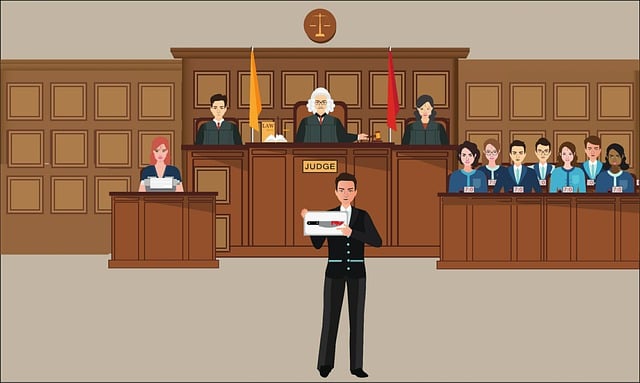
Understanding Juvenile Offending in Denver presents a complex web of social, economic, and psychological factors. The Denver Criminal Court Lawyer’s Office recognizes that juvenile delinquency is often a symptom of deeper issues within a young person’s life, including family problems, lack of access to quality education, and exposure to violence or substance abuse. According to recent data from the Colorado Department of Human Services, approximately 60% of juvenile offenders in Denver have been identified with at least one form of trauma, highlighting the need for compassionate and comprehensive interventions.
Denver’s diverse community also presents unique challenges. Areas marked by high poverty rates and limited access to resources often see higher rates of juvenile offending. For instance, a study conducted by the University of Colorado found that youth in low-income neighborhoods are nearly twice as likely to be involved in delinquent behavior compared to their more affluent counterparts. This underscores the importance of community-based programs and accessible legal services tailored to address these disparities.
Moreover, the prevalence of white-collar crimes among juveniles in Denver necessitates specialized criminal defense strategies. From fraud to identity theft, young offenders can face severe consequences that may impact their future prospects. A Denver Criminal Defense Lawyer with experience in handling such cases can provide vital guidance, often through deferred prosecution programs like Deferred DUI Colorado, which offers a chance for first-time offenders to avoid a permanent record. This proactive approach not only rehabilitates youth but also fosters a more just and equitable criminal justice system.
Denver’s Legal Framework for Minor Crimes

Denver’s legal framework for minor crimes involves a complex interplay of state laws and local court procedures. The Denver Criminal Court, a cornerstone of the city’s justice system, handles a range of offenses from misdemeanors to felonies, with dedicated divisions catering to minors. In recognizing the distinct needs of juvenile offenders, Denver has implemented programs aimed at rehabilitation rather than solely punishment. This approach is reflected in the sentencing guidelines and available defenses, where a Denver Criminal Court Lawyer can play a pivotal role in navigating these nuances.
For minor crimes, such as Class A misdemeanors, penalties typically include fines, community service, or short-term imprisonment. However, what sets Denver apart is its proactive stance on alternatives to incarceration. The city has invested in diversion programs that offer at-risk youth opportunities for counseling, mentorship, and skill development, often with the support of non-profit organizations and government initiatives. For instance, the Youth Diversion Program (YDP) diverts eligible first-time offenders aged 13–17 from formal court proceedings, providing them with a structured environment to address underlying issues. This approach not only reduces recidivism but also ensures that young individuals receive necessary support systems.
Finding legal representation for DUI in Denver or seeking help with paying for criminal defense is made more accessible through various resources. Many non-profit organizations and legal aid societies offer pro bono services, while others provide sliding fee scales based on income. These options ensure that financial constraints do not deter juveniles from seeking the best possible legal counsel. A Denver Criminal Court Lawyer can guide clients through these alternatives, ensuring their rights are protected while exploring the most beneficial outcomes, whether it’s a reduced sentence, alternative sentencing, or successfully challenging charges.
Navigating Denver Criminal Court with Youth Defendants

Navigating Denver Criminal Court with Youth Defendants requires a specialized approach, especially when dealing with complex cases like Colorado Felony DUI. The presence of a Denver Criminal Court Lawyer who understands adolescent development and legal intricacies is invaluable. These professionals can help young defendants navigate a system that often fails to account for their unique needs and circumstances, such as developmental delays or co-occurring mental health issues.
In Denver, where hustle and bustle and a vibrant cityscape coexist with complex legal matters, the right defense strategy can make all the difference. For instance, when facing charges like DUI in Colorado, especially with an out-of-state license, a knowledgeable lawyer can employ Denver criminal defense strategies tailored to strengthen the case. They might challenge the admissibility of evidence or argue for reduced charges based on extenuating circumstances. Data suggests that well-prepared defense strategies can significantly impact outcomes, leading to reduced sentences or even dismissal in some cases.
A key aspect of effective representation involves fostering an open dialogue with the youth, encouraging them to share their experiences and concerns honestly. This empathetic approach allows lawyers to tailor their legal strategies while offering guidance tailored to each client’s background and aspirations. By combining expert legal knowledge with a nuanced understanding of adolescent psychology, Denver Criminal Court Lawyers can help young people navigate their legal troubles, aiming for outcomes that promote their long-term well-being and development.
The Role of a Denver Criminal Court Lawyer

In Denver, facing criminal charges as a juvenile can be an overwhelming experience, but there is hope. A skilled Denver Criminal Court Lawyer plays a pivotal role in guiding young individuals through the complex legal system, advocating for their rights, and exploring all viable options. They understand that juveniles often face unique circumstances and require specialized representation to navigate the potential consequences of a conviction. From drug possession to DUI misdemeanor charges—especially first-time offenses—a lawyer can provide crucial support.
A Denver Criminal Court Lawyer’s expertise lies in negotiating with prosecutors, presenting mitigating factors specific to juvenile cases, and exploring alternative sentencing options. For instance, they might advocate for diversion programs or deferred adjudication, which offer a chance for young offenders to avoid a formal conviction and its lasting impact on their records. These strategies can be particularly effective for non-violent offenses, such as first-time DUI misdemeanors in Colorado. By familiarizing themselves with the specific laws and local court practices, lawyers can tailor their approach to each client’s unique situation.
Furthermore, these legal professionals help juveniles understand what to expect after a conviction. They guide them through potential long-term effects on future job prospects, educational opportunities, and even housing options. For example, a drug possession conviction could impact access to certain professions or educational institutions. A Denver Criminal Court Lawyer can advise clients on sealing or expunging records, which may be possible depending on the circumstances and local laws. This proactive approach ensures that young individuals are equipped with knowledge and make informed decisions regarding their future.
Support Services for Juveniles in the Denver Area

Support Services for Juveniles in Denver, Colorado, are designed to offer a range of assistance tailored to meet the unique needs of young offenders, many of whom are facing their first brushes with the criminal justice system. The Denver Criminal Court Lawyer community plays a pivotal role in advocating for these individuals, ensuring they receive fair treatment and access to necessary resources. For first-time offenders, a Denver criminal defense lawyer can provide guidance throughout the process, from understanding denver criminal bonds and bail to navigating the court system. This proactive approach helps minimize the long-term impact of a juvenile record on a young person’s future prospects.
The landscape of juvenile justice in Denver has evolved significantly due to efforts by local criminal justice reform lawyers who advocate for more compassionate and effective solutions. They work closely with community organizations, schools, and government agencies to address underlying issues that contribute to youth crime. By promoting restorative justice practices and alternative sentencing options, such as diversion programs and community service, these professionals help divert eligible first-time offenders from the traditional criminal court system. This not only reduces recidivism rates but also allows for a more targeted approach to addressing the root causes of juvenile delinquency.
One notable challenge in Denver, like many urban areas, is navigating the complex bail bonds process. A Denver criminal justice reform lawyer can assist families and youths in understanding their rights and options during this critical phase. This includes explaining the conditions of release, potential consequences of bond violations, and available financial assistance programs. Additionally, these legal experts often collaborate with local non-profit organizations to provide support services like counseling, educational workshops, and job skills training, which can help juveniles successfully reintegrate into their communities after an encounter with the criminal justice system.
Rehabilitation and Second Chances: Post-Court Options

Rehabilitation and second chances play a crucial role in the journey of juvenile offenders towards redemption and successful reintegration into society. In Denver, where the criminal justice system faces ongoing reform efforts, various post-court options offer hope for positive outcomes. A Denver criminal court lawyer specializing in youth advocacy can guide these young individuals through complex legal processes while promoting their best interests.
After a conviction, Denver criminal justice reform lawyers assist clients in exploring alternative sentencing and rehabilitation programs tailored to their unique needs. These may include community service, restorative justice initiatives, or specialized treatment centers focusing on mental health, substance abuse, or trauma recovery. For instance, Denver’s Youth Service Division offers a range of diversion programs aimed at keeping young offenders out of the traditional criminal justice system, redirecting them towards constructive activities and support services. Engaging in such programs can lead to reduced penalties, a clean record, and valuable life skills training.
Defending your rights in Denver criminal court doesn’t stop at the initial trial. It involves understanding post-conviction options that can significantly impact a juvenile offender’s future. What are my options after a conviction? This is a critical question that prompts individuals and their legal representatives to explore diverse avenues for relief, such as appeals, motion to modify sentences, or participation in rehabilitation programs that could lead to early release or reduced charges. By taking proactive steps, young people can work towards overcoming their legal challenges and seizing second chances at a brighter future.
In conclusion, this article offers a comprehensive guide to understanding and navigating Denver’s legal system for juvenile offenders. Key insights include recognizing the unique challenges faced by young people in the criminal justice system, appreciating Denver’s legal framework designed to address minor crimes, and highlighting the critical role of a Denver Criminal Court Lawyer in advocating for youth defendants. Additionally, the article underscores the importance of support services and rehabilitation post-court, emphasizing second chances as essential components of effective justice. Readers gain valuable knowledge on the various aspects of juvenile offending in Denver, empowering them to make informed decisions and potentially foster positive outcomes for at-risk youth within this legal landscape.
Related Resources
Here are 5-7 authoritative resources for an article about Denver legal help for juvenile offenders, structured according to your specified format:
- Colorado Department of Human Services – Juvenile Justice (Government Portal): [Offers insights into Colorado’s juvenile justice system and available resources.] – https://www.dhs.co.us/program-areas/juvenile-justice
- University of Denver, Sturm College of Law (Academic Institution): [Provides legal research and education, including focus on youth law.] – https://law.du.edu/
- Colorado Legal Services (Community Resource): [Offers free legal assistance to low-income individuals, including juveniles and their families.] – https://collegal.org/
- National Center for Youth Law (Industry Leader): [A national organization dedicated to promoting justice and opportunities for youth through legal advocacy.] – https://ncyl.org/
- Denver City Attorney’s Office (Government Portal): [Provides information on local criminal justice services, including those for juveniles.] – https://www.denver.gov/city-government/departments/city-attorney
- Youth Law Center (Nonprofit Organization): [Offers legal representation and advocacy for youth facing systemic issues in the U.S.] – https://ylc.org/
- American Bar Association – Juvenile Justice Section (Professional Association): [Offers resources, research, and updates on national trends in juvenile justice.] – https://www.americanbar.org/groups/juvenile-justice/
About the Author
Meet Sarah Anderson, JD, a renowned legal expert specializing in Denver’s juvenile justice system. With over 15 years of experience, Sarah has dedicated her career to advocating for youth, holding various roles including public defender and now as a leading voice in the National Association of Juvenile Law Attorneys (NAJLA). Her expertise lies in complex cases involving minors, and she is frequently cited in publications like The Denver Post. As a sought-after speaker, Sarah shares insights on reform strategies, emphasizing her commitment to equitable legal aid.